
The Bronx Directory Collections
The strongest starting shelf combines New York City volumes with address-first books. NYPL dates its city-directory collection from 1786 through 1934, a span that reaches well beyond the years when the Bronx had its present county identity. The annual books can list residents, businesses, churches, schools, courts, and government, along with maps and advertisements. A directory entry is evidence of how a name or address was printed in that year. It is not proof of ownership or a complete list of everyone at a building.
| Collection | Years | Where Held | Access |
|---|---|---|---|
| New York City annual directories | 1786-1934 | NYPL Digital Collections and Milstein Division | Digitized subset online; physical and microfilm backup |
| Digitized NYC annual-directory run | About 1849/50-1923 | NYPL Digital Collections | Free title and page searching; inspect page images |
| Bronx street-address directories | 1931-1973 except 1934; 1981-1991 except 1983 | Library of Congress | Address-first historical lookup |
| Bronx criss-cross directories | 1971-1996 | Library of Congress collections | Reverse address-to-name bridge |
Gaps matter. Coverage became sporadic in the 1920s, and the last relief-era volumes were issued around 1932 through 1934. When a wanted year is missing, use the nearest directory, a newspaper, a census, or an address-first run rather than treating the silence as proof that a household was absent.
The Bronx Trow Directory Years
The Trow run is especially useful for nineteenth-century Bronx research. Trow began publishing New York City annual volumes in 1852 and continued for more than six decades. It produced street, business, and partnership directories as well as the main alphabetical book. Polk acquired Trow in 1915, so a search may need the publisher name as well as the place and year. This chronology helps explain why similar material can appear under different catalog descriptions.
- 1852: Trow begins its New York City annual run.
- 1886: the Trow volume reaches 2,166 pages and estimates 313,992 New Yorkers among the city population it describes.
- 1915: Polk acquires Trow publishing.
- 1920s: directory coverage becomes uneven.
- 1932-1934: relief-committee volumes mark the last or near-last printed run.
That 1886 scale is a useful warning, not a population count for the Bronx. A large annual book still captured only the people and listings its publisher included. Its value is the date, the printed name form, the occupation, and the location that can be tested against another source.
Note: Record the publisher and volume year together, because a title alone cannot identify which directory conventions or coverage gaps apply.
The Bronx Directory Volumes at NYPL
NYPL Digital Collections provides the free remote doorway to directory material. Its collection search uses item titles and sequence sorting, which makes a year and publisher good search terms. Text recognition can speed the first pass, but the scan is the authority for a surname, initial, and street number. OCR often misreads old type, crowded columns, punctuation, and abbreviated streets.
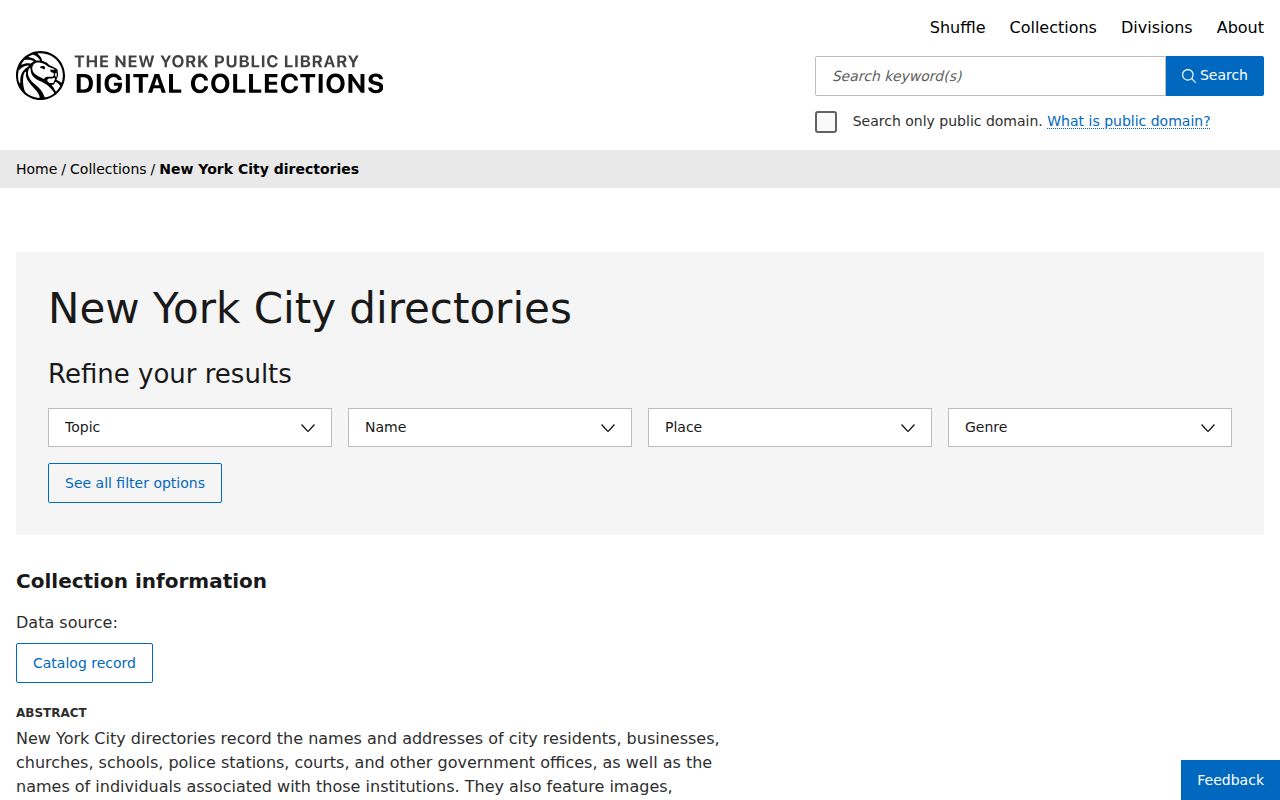
The digitized view helps identify a likely volume, while a close review of the page preserves the printed context around an entry. Save the year, page sequence, title, and publisher with the transcription so the result can be found again.
For material outside the scanned run, the Milstein Division genealogy resources hold New York City and New York State directories through the 1930s, along with telephone backfiles, census material, newspapers, and microform. Current room instructions should be checked before visiting. Bronx Library Center is also a practical borough starting point for local-history reference material, although the central directory and newspaper microform core is at Milstein.
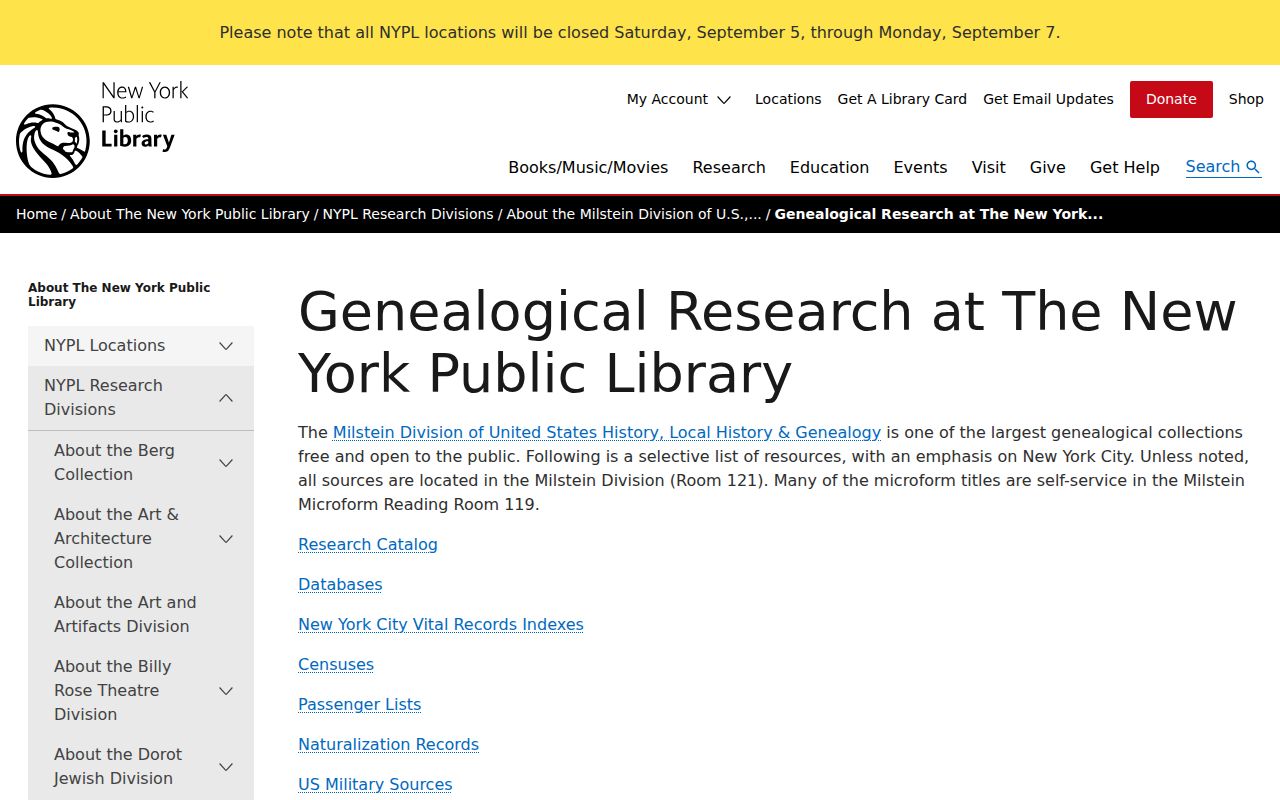
Milstein provides the physical fallback when a digitized title does not include the needed year or when an image needs clearer inspection. Telephone directories are a separate backfile, so do not assume they duplicate the older city-directory sequence.
Read The Bronx Directory Entries
An annual directory entry is compact, so read it field by field. NYPL guidance and common directory conventions point to a surname and given name or initials, an occupation or trade, and a street address. Some years add a spouse or relative in parentheses, a business affiliation, widow or widower notation, a boarding or lodging note, and abbreviations for streets, floors, or occupations. The front matter of the exact volume explains its symbols.
| Name | The printed surname, given name, initials, and sometimes a relative notation. |
|---|---|
| Occupation | A trade, business role, or business address when the volume includes it. |
| Address | A house number and street, often shortened by an abbreviation key. |
| Household status | A spouse, widow or widower, boarder, or lodging notation when that year prints one. |
| Ownership marks | Publisher-specific shorthand that must be checked in the volume’s front matter. |
- Criss-cross directory
- An address-first directory arranged by street and number, used to move from a location toward likely occupants or listings.
- Householder index
- A list organized around the household or address rather than a simple alphabetical personal-name entry.
- Abbreviation key
- The volume’s own explanation of street, occupation, and status shorthand, usually found in the introductory pages.
In the inspected 1886-1887 Trow item, the catalog identifies Trow City Directory Company, NYPL Milstein, shelfmark *ZZAN-230, and a related 1786-1933/34 microfilm run. A reliable transcription includes that bibliographic frame, not only the name copied from one column.
The Bronx Directory by Address
Name-first books work well when the family name is known. The Library of Congress address-directory holdings take the opposite route. Bronx street-address directories cover 1931-1973 with 1934 missing, then 1981-1991 with 1983 missing. The Bronx criss-cross run covers 1971-1996. These books can bridge an address to an occupant or phone listing, but a listing remains a lead that needs a nearby-year check and an independent record.
Library of Congress street-address guidance describes the address-first holdings, while its criss-cross guide explains the reverse form. Check the alphabetical volume first when a person is known. Check the street order first when the address is known. The two routes can expose a business at the same building, neighbor numbers, or a street name that does not appear in a name-only search.
Modern property records belong on the street and property path, not in historical annual volumes. A current parcel or deed question can use the The Bronx street directory record trail after the historic address has been normalized.
The Bronx Directory Gaps in Print
When annual books skip a year, newspapers help test what happened between two directory appearances. Milstein has New York Times, New-York Tribune, and New York Herald microform runs, while Chronicling America offers the Bronx Home News for 1907-1924 and Pa’lante for 1969-1976. Use the person’s known address, occupation, relative, and a narrow date range. There is no verified stand-alone official Bronx obituary index that replaces that work.
Newspaper notices can point to a death, a marriage, an organization, or an address change. They should not be used alone to decide that two same-name people are one person. Compare the date and address with the directory entry, then consult archival vital, probate, or census material where available.
The Bronx Directory Archive Context
The Bronx Historical Society catalog is valuable when an entry leads to an organization, neighborhood institution, public figure, or borough history. Its library is open by appointment Monday through Friday, and its catalog, digital collections, finding aids, and research guides can identify relevant archival material. The collections are not a universal resident list. They provide context for people and groups that appear in named archival holdings.
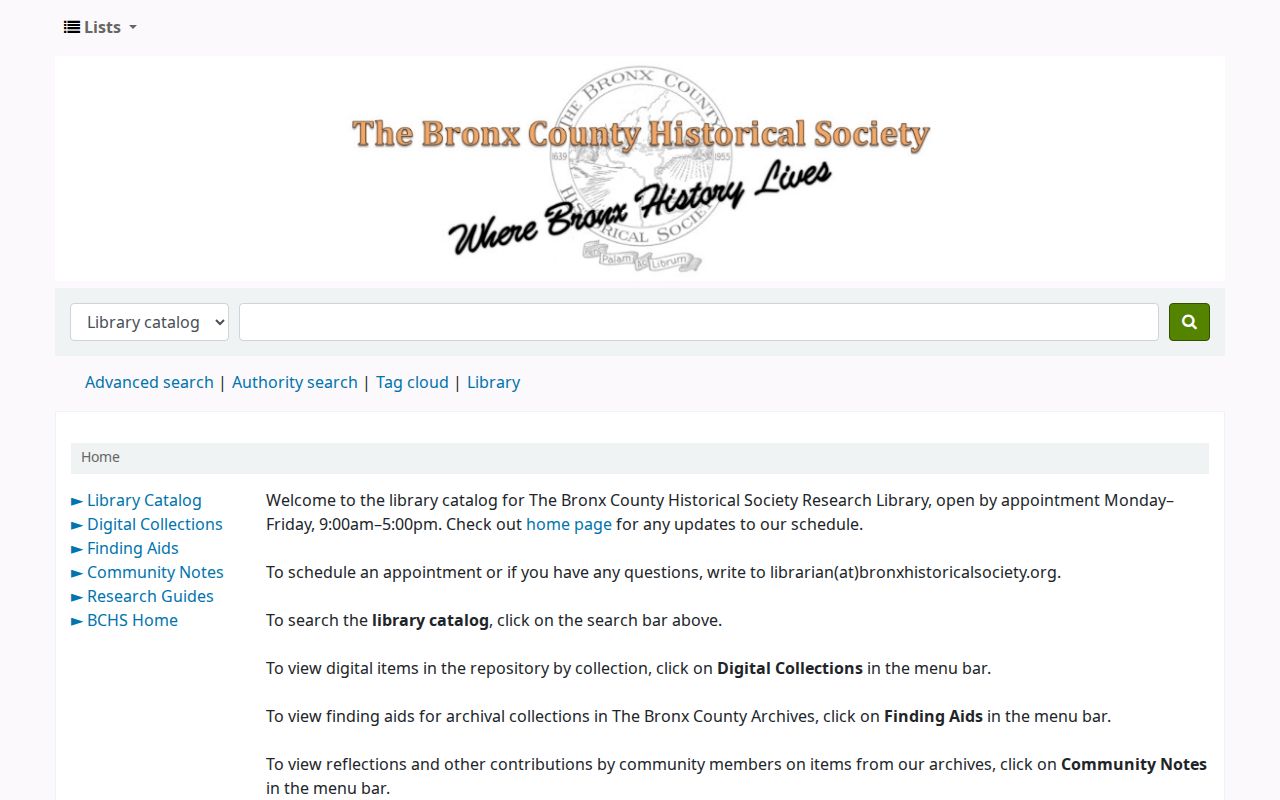
Finding aids can connect an address or surname to board reports, trade groups, neighborhood organizations, and borough-history papers. That context is most useful after the directory has supplied a date, place, and spelling to search.
NYC Municipal Archives also holds annual directories, census, historical vital records, naturalizations, Old Town records, and other agency series. Search the collection guide before deciding that a missing directory detail was never recorded.
The Bronx Directory Place Names
Older material may not call the place “The Bronx.” Areas west of the Bronx River were annexed to New York City in 1874, much of the east side followed in 1895, the borough was established in 1898, and Bronx County followed in 1914. A pre-1898 search should carry the town or county wording found in the source. Westchester, New York County, West Farms, Morrisania, Kingsbridge, and New York City can all be useful search variants.
Street numbers also need care. A historical listing can be a predecessor address, a building entrance, or a town label instead of a modern borough form. The 1935 Red Book street guide indexes streets and house numbers at intersections and can help when a current map does not make the old address clear. Keep the original spelling in notes until a map or tax record supports a translation.
Note: A historical place label is evidence about the record system as well as the location, so preserve it beside the modern search term.
Trace The Bronx Directory Households
Annual books are strongest when used as a sequence. Start from a firm address or name, then compare adjacent years instead of leaping from one decade to the next. The 1905 New York State census material listed by NYPL and federal census releases through 1950 provide fixed-date household snapshots. Directories provide annual address and occupation clues. Neither source substitutes for the other.
- Normalize the surname, street spelling, and historical town or county label for the chosen year.
- Locate the name in an alphabetical directory and save the volume year, page, publisher, and every abbreviation.
- Use a street-address or criss-cross volume, where available, to test the number and surrounding listings.
- Compare the entry with the nearest 1905 state census or federal census to check household members and occupation.
- When a name disappears, test nearby years, newspapers, death records, and probate rather than assuming vacancy or death.
A person can vanish from an annual volume after a move, death, indexing change, spelling change, or a gap in publication. Record that uncertainty. A careful sequence of dated entries is far more useful for family history than a single isolated listing.